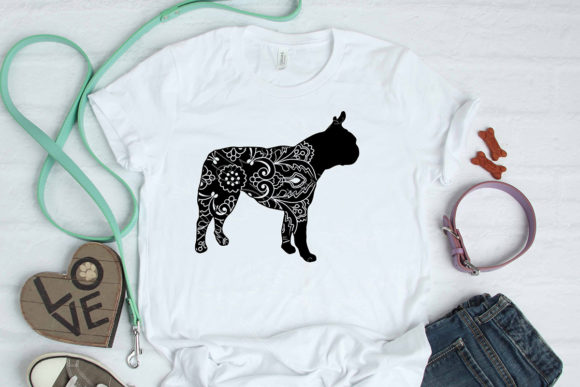
Boston Terrier Dog Mandala
A Designer’s First Look: Whimsy Meets Precision
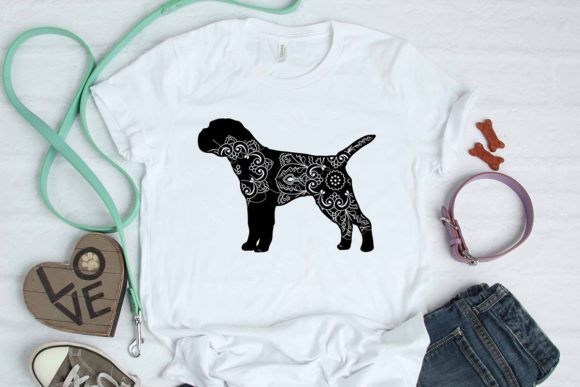
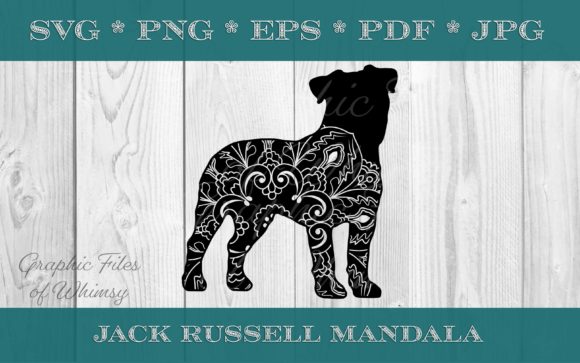
When I opened the Boston Terrier Dog Mandala for the first time, I didn’t see just another dog silhouette—I saw a quiet conversation between structure and soul. The Boston Terrier outline is clean and instantly recognizable—compact, alert, with that signature tuxedo expression—but it’s the mandala inside that commands attention. It’s not ornamental filler; it’s intentional geometry, layered like a breath held then released. This isn’t a design shouting for attention. It whispers to people who love dogs *and* detail—the kind of customer who turns over a handmade pillow cover to admire the backstitching.
Where It Shines: Real Projects, Real Reactions
Last week, I prepped a custom embroidered tote bag for a local dog rescue fundraiser—cotton canvas, medium-weight, 8” x 10” hoop space. I digitized the Boston Terrier Dog Mandala at 4.5” wide and stitched it on the front pocket. The result? Immediate double-takes. People paused mid-conversation to ask, “Is that a *dog* or a *pattern*?” That duality is its superpower. It works beautifully on sweatshirt embroidery where texture adds depth, and on tea towels where the mandala’s symmetry reads clearly even after repeated washing. For Etsy sellers, it’s a natural fit for nursery decor—think linen pillow covers or framed hoop art—because it balances pet personality with mindful, calming energy.
I also tested it as an embroidered patch on twill fabric (for a small-batch apron line). With proper cutaway stabilizer and medium-density fill stitch, every petal and curve held crisp definition. Customers responded strongly—not just to the Boston Terrier theme, but to how “hand-finished” it felt, even though it was machine-embroidered. That perception matters: it lifts perceived value without demanding premium pricing.
Where to Pause—and Why
The intricacy that gives the Boston Terrier Dog Mandala its charm also asks for thoughtful execution. On thin or stretchy fabrics—like baby onesies or lightweight tees—I’d avoid stitching it full-size without testing. Dense mandala areas can pucker if stabilizer isn’t matched precisely to fabric weight. And on dark fabric? Don’t assume contrast will carry it. I ran a quick black-and-white mockup first and realized subtle inner lines disappeared against navy fleece—so I adjusted thread colors to add one tone of cream in the outer ring for lift.
Caps and curved surfaces are tricky. The Boston Terrier Dog Mandala relies on balanced negative space and radial clarity. On a structured cap front, it read well at 3.25”, but anything smaller than that started losing distinction in the mandala’s inner layers. Likewise, avoid placing it near seams or high-flex zones (like elbow patches or toddler knee areas) unless you’ve confirmed stitch density won’t compromise durability.
Design Notes Every Embroidery Designer Should Check
- Test on scrap fabric first—especially if using textured weaves (linen, burlap blends) or performance knits.
- Review stitch density before scaling up. High-density fills in tight mandala zones may require slower machine speeds or reduced tension.
- Confirm hoop size compatibility. Its balanced proportions suit standard 5” x 7” hoops, but verify spacing if nesting multiple designs.
- Inspect small details under magnification—those fine connecting lines between petals must remain intact after digitizing.
- Use printable mockups in both light and dark fabric palettes to assess visual hierarchy before committing to production.
- Choose stabilizer intentionally: cutaway for stability on knits, tear-away for stable wovens like cotton duck or quilting cotton.
- Verify licensing before selling finished products or bundling the Boston Terrier Dog Mandala as part of a digital embroidery file pack.
For Craft Business Owners & Etsy Sellers
If you sell personalized gifts or boutique merchandise, this design bridges niches: dog lovers, mindfulness buyers, and modern cottagecore shoppers. It’s not seasonal—it’s evergreen, but with personality. I listed a set of three matching kitchen towels (flour sack cotton, 4.75” Boston Terrier Dog Mandala centered on each) and watched repeat customers return specifically for “the dog-mandala ones.” That tells me it builds recognition—not just as a design, but as a subtle brand signature.
For small shop owners, it’s low-risk differentiation. Unlike generic paw prints or cartoon pups, the Boston Terrier Dog Mandala feels curated. It signals care in curation, which translates to trust in your handmade product. Pair it with neutral thread palettes (charcoal gray, oatmeal, deep burgundy), and it becomes versatile across gender, age, and occasion—from wedding guest favors to holiday stockings.
A Final Thought: Design Integrity Over Trend Chasing
This isn’t a “viral” embroidery file designed for algorithmic appeal. It’s a considered piece—quietly confident, technically respectful of stitch behavior, and emotionally resonant for the right audience. As a designer who’s stitched hundreds of dog-themed files, I can say: most fail by trying too hard to be cute or clever. The Boston Terrier Dog Mandala succeeds by being neither—it’s simply *cohesive*. That cohesion makes it reliable across custom apparel, baby embroidery, holiday embroidery, and commercial embroidery work alike.
Use it where intention matters: on a gift for a Boston Terrier owner who meditates, on a boutique apron for a coffee roaster with a rescue dog, or as a small-batch embroidered patch for a craft fair stall that stands out because it feels *designed*, not downloaded. In a market flooded with fast, forgettable graphics, the Boston Terrier Dog Mandala is a reminder that thoughtful craftsmanship—even in a digital embroidery file—still speaks the loudest.