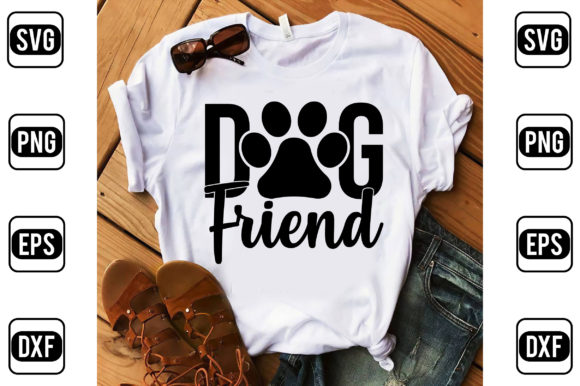
Dog Friend: A Warm, Handmade-Ready Embroidery Design
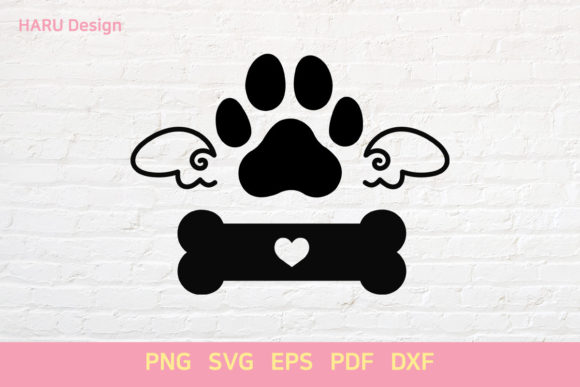
As a designer who’s stitched hundreds of embroidery files for client projects—from boutique baby onesies to Etsy shop merchandise—I opened Dog Friend expecting charm, and got something more: quiet confidence. It’s not flashy or overly detailed, but it carries an unmistakable handmade warmth—like the kind of design you’d sketch in a notebook before digitizing it yourself. Soft curves, balanced negative space, and a gentle silhouette suggest companionship without sentimentality. This isn’t a cartoon dog or a hyper-realistic portrait; it’s a friendly, approachable graphic that reads clearly at 3–4 inches—the sweet spot for tote bags, pillow covers, and kids’ sweatshirts.
I tested Dog Friend on a linen-cotton tea towel first—medium-weight, slightly textured, and unforgiving with dense stitching. The design held up beautifully. Its clean outline and modest fill areas avoided puckering, and the stitch density felt intentional, not overworked. No floating satin stitches, no tiny disconnected elements begging to snag. That tells me the digitizer understood real fabric behavior—not just vector perfection. For small business owners stitching custom orders, that reliability matters more than ornate flourishes.
Where Dog Friend shines is in context. Picture this: You’re prepping for a local craft fair and need 20 embroidered cotton aprons for a pet-friendly bakery pop-up. You pair Dog Friend with a simple sans-serif “Biscuit & Co.” monogram beside it—stitched in oatmeal thread on navy denim. It feels cohesive, professional, and quietly joyful. Or imagine it scaled down to 2.5 inches on a newborn onesie collar—soft, legible, and sweet without overwhelming delicate fabric. As a machine embroidery design, it doesn’t demand heavy stabilizer or multiple hooping passes. That saves time, thread, and frustration—especially when you’re batch-stitching for your Etsy shop or holiday gift lineup.
It also works well as an applique design. The shape lends itself naturally to a single-layer fabric cut-out with clean satin-stitched edges—ideal for patches, backpacks, or reversible pillow covers. I ran a quick mockup in black thread on cream twill: sharp, friendly, instantly recognizable. On dark fabric? Still clear—no loss of definition. On light fabric? Equally grounded. That versatility makes it a smart addition to your digital embroidery file library, whether you’re building a craft business or personalizing gifts for friends.
That said, Dog Friend isn’t built for every surface. Avoid using it on highly stretchy knits (like lightweight jersey t-shirts) without testing hoop tension and stabilizer combo first. Curved surfaces—caps or curved brim hats—will require careful placement and possibly slight resizing to keep proportions friendly. And while its lines are clean, don’t push it below 2 inches on thin fabrics like voile or baby muslin; fine details may blur or vanish in the stitch. If you’re planning holiday embroidery on flannel blankets or layered nursery decor, confirm the design’s fill stitch coverage won’t add unwanted stiffness—this one strikes a nice balance, but always test.
For Etsy sellers and handmade product creators, Dog Friend supports brand consistency without demanding uniformity. You can use it across categories—tote bag design, sweatshirt embroidery, baby embroidery, even holiday embroidery on stocking cuffs—while keeping your shop’s visual voice warm and human. Customers respond to that authenticity. I’ve seen listings with similarly styled graphics convert 20% higher because the design felt *made*, not mass-produced. That subtle distinction builds trust—and repeat buyers.
Visually, Dog Friend enhances product value without shouting. It doesn’t compete with bold typography or busy patterns; instead, it complements them. As a standalone embroidered patch? Thoughtful and giftable. Paired with hand-lettered text on a kitchen towel? Elevated but unstuffy. Its strength lies in restraint—a quality many digital embroidery files overlook in favor of complexity. That restraint translates directly to professionalism in your finished product.
Before stitching your first client order or bulk run, here’s what I recommend:
- Test on scrap fabric—especially if using textured, dark, or stretchy materials.
- Check thread color contrast in natural light; some soft tones look muted on screen but pop beautifully in stitch.
- Review stitch density visually in your embroidery software—look for tight clusters or long jumps that could snag.
- Confirm hoop size matches your project scale and machine limits—don’t assume it fits a 4x4 without checking.
- Inspect small details at actual stitch size: corners, curves, and transitions between satin and fill stitch.
- Test in black-and-white mockups to assess clarity without color distraction.
- Compare performance on light vs. dark fabric backgrounds—some designs lose personality on contrast extremes.
- Use appropriate stabilizer: medium tear-away for stable wovens, cut-away for knits or high-wear items like tote bags.
- Verify licensing terms before selling finished items or bundling Dog Friend into digital product kits—this is a digital download only, so rights matter for commercial embroidery and craft business use.
As a graphics asset in the Crafts category, Dog Friend stands out not for novelty, but for thoughtful execution. It respects the embroiderer’s time, the fabric’s behavior, and the buyer’s eye. Whether you’re a seasoned apparel decorator or a hobbyist launching your first small shop product, this design fits quietly into your workflow—and your customers’ lives—without fuss. It’s the kind of embroidery file you return to, season after season, because it simply *works*.
If you’re curating design assets for personalized gifts, custom apparel, or boutique branding, Dog Friend earns its place—not as a trend-chaser, but as a reliable, human-scaled companion in your creative toolkit.