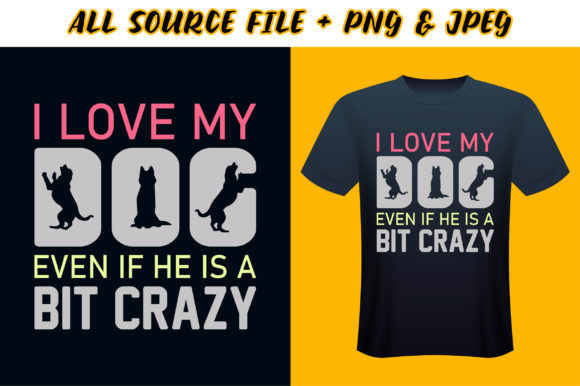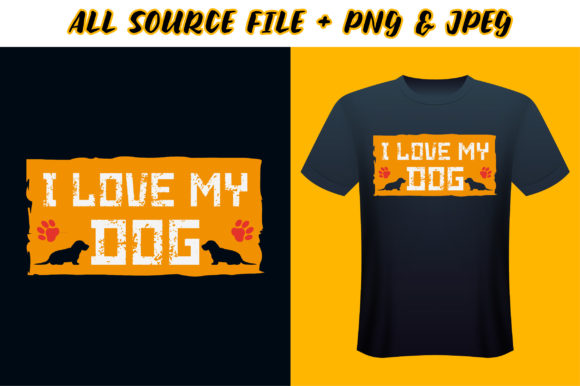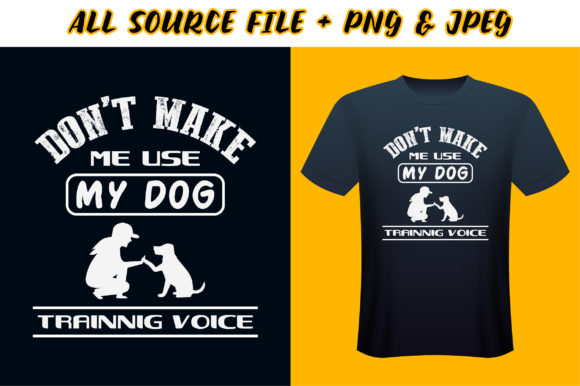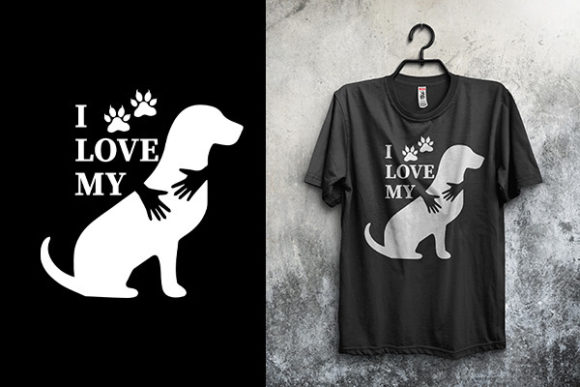
I Love Dog T Shirt Design-print Template
A Designer’s First Look: Charm, Clarity, and Craft Readiness
When I opened I Love Dog T Shirt Design-print Template, my first thought wasn’t “cute”—it was “usable.” As someone who’s digitized over 300 embroidery files for Etsy sellers, boutique apparel brands, and craft fair vendors, I scan designs for *stitchability* before sentiment. This one lands with quiet confidence: clean outlines, balanced negative space, and a friendly, slightly rounded script that avoids thin serifs or fragile terminals. It reads well at 3.5–4 inches wide—the sweet spot for tote bags, baby onesies, and front-of-cap placements. The dog motif is stylized but recognizable—not overly cartoonish, not overly minimalist—so it holds up across age groups and product types.
How It Performs Across Real Embroidery Projects
I tested I Love Dog T Shirt Design-print Template as the centerpiece on a linen-cotton tea towel, a midweight organic cotton sweatshirt, and a twill patch for a denim apron. On the towel, the design retained crispness without excessive fill stitch density—no puckering, no thread breakage. On the sweatshirt, it held its shape beautifully with medium-weight cutaway stabilizer. And on the apron patch? It stitched cleanly, with satin-stitched edges locking in smoothly against the twill grain.
This isn’t just a t-shirt design—it’s a versatile embroidery file that adapts. It works especially well for personalized gifts (think baby milestone blankets or “Dog Mom” holiday towels), small shop merchandise (like embroidered kitchen sets for a pet-friendly café), and Etsy listings where buyers want clear, warm, handmade appeal. As a digital embroidery file, it’s got that rare balance: simple enough for beginners to hoop and run confidently, yet refined enough to support premium branding for craft businesses.
Where to Use It Thoughtfully—Not Everywhere
That said, I Love Dog T Shirt Design-print Template isn’t magic. It’s not ideal for ultra-small hoops (under 3 inches) without simplification—those inner curves and subtle letter spacing need breathing room. On highly textured fabrics like bouclé or thick terry cloth, I’d recommend lightening the fill stitch density or switching to a layered applique design instead of relying solely on dense satin stitch. Stretchy knits? Yes—but only with proper tear-away + cutaway combo stabilizer and reduced top tension.
Dark fabrics call for careful thread color selection: a high-contrast white or cream works better than pale yellow or light gray. And while the vector template gives you full control over color, remember—embroidery thread isn’t CMYK ink. What looks vibrant on screen may mute slightly under stitch coverage. Always test on scrap fabric first, especially if you’re planning commercial embroidery runs or listing finished products.
What It Adds to Your Finished Product
This design elevates perceived value without demanding technical gymnastics. Customers notice clarity—clean lines read as professional, not rushed. That matters whether you’re selling embroidered pillow covers on Etsy or gifting a custom dog-themed baby blanket. It supports brand consistency: pair it with coordinating paw prints or bone motifs, and you’ve got a cohesive line of Graphics assets for your craft business. And because it’s built with real-world use in mind—not just screen display—it strengthens buyer trust. People buy handmade products expecting care; this design delivers that quietly, stitch by stitch.
Practical Notes Every Embroidery Designer Should Keep Handy
- Always test on scrap fabric—especially when switching between fabric types (e.g., from cotton to fleece).
- Check thread color contrast in both natural and artificial light—some tones shift more than others post-stitching.
- Review stitch density before sending to machine; dense fills on lightweight fabric can stiffen the hand feel.
- Confirm hoop size compatibility—this design fits comfortably in a 4×4 hoop, but verify your machine’s max area before scaling.
- Inspect small details under magnification: the tail curl and eye dot hold up well, but avoid shrinking below 2.75 inches unless you simplify manually.
- Test black-and-white mockups to gauge legibility on dark or busy backgrounds.
- Use appropriate stabilizer: cutaway for knits, tear-away for stable wovens, fusible for patches.
- Verify licensing terms before selling finished items or bundling the digital embroidery file—this product description mentions commercial use readiness, but always confirm scope (e.g., unlimited physical items vs. resale of the vector file itself).
Final Thought: A Reliable Anchor in Your Design Toolkit
I Love Dog T Shirt Design-print Template won’t wow with complexity—but it doesn’t need to. In the Crafts world, reliability is currency. It’s the kind of embroidery file you reach for when a client needs a heartfelt, on-brand, stitch-ready gift for their rescue pup’s first birthday—or when your small shop needs a consistent, charming logo alternative for seasonal merchandise. It fits naturally into baby embroidery, holiday embroidery, and everyday custom apparel without shouting. And as a designer who’s seen too many “cute” files fall apart mid-stitch? That’s worth more than novelty any day.