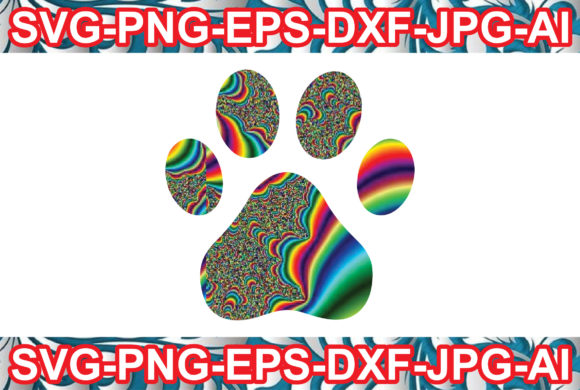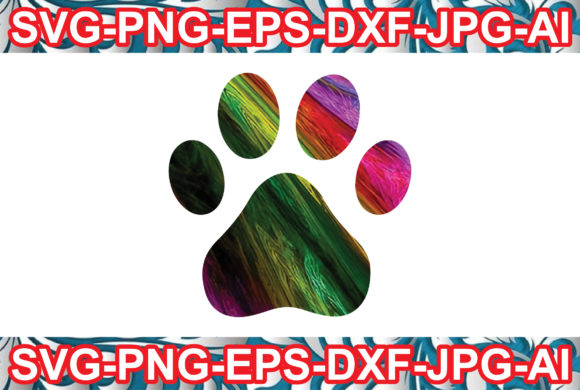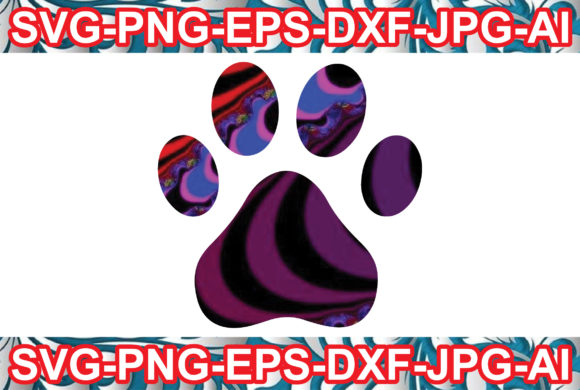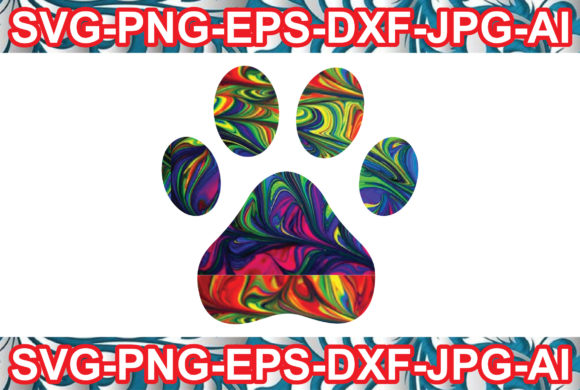
Sublimation Backsplash Dog-19
A Designer’s First Look: Friendly, Bold, and Built for Real Stitching
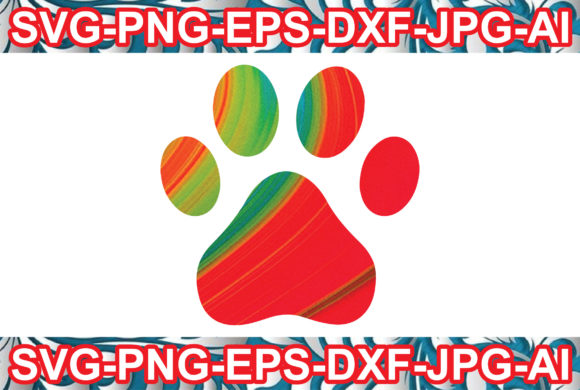
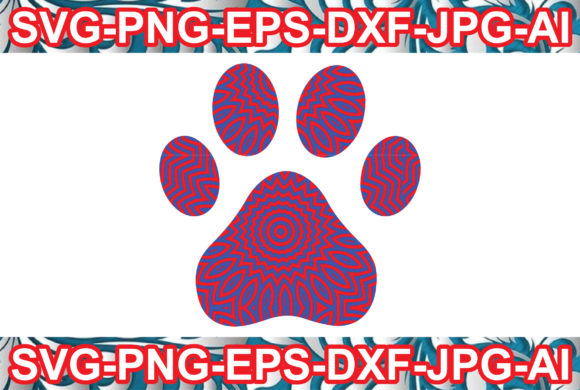
When I opened Sublimation Backsplash Dog-19, my first thought wasn’t “cute dog”—it was “this has presence.” The silhouette is clean but expressive, with confident curves and a balanced negative space that breathes on fabric. It’s not overly detailed, which is smart: too much line work would collapse under satin stitch or get lost in fill stitch density. As a machine embroidery design, it leans into boldness—not fussy charm—making it ideal for tote bags, sweatshirt chest logos, or kitchen towels where clarity matters more than fine linework.
Where This Design Earns Its Keep (and Why Your Customers Will Notice)
I tested Sublimation Backsplash Dog-19 as the centerpiece for a custom embroidered apron—linen-cotton blend, medium weight, with a black thread on natural fabric. The result? Instant recognition. No squinting. No “what is that supposed to be?” moment. That’s rare. Most dog-themed embroidery files either oversimplify into abstraction or overcomplicate into stitchy chaos. This one lands right in the sweet spot: friendly enough for baby embroidery or nursery decor, strong enough for boutique merchandise or craft fair sweatshirts.
It works especially well for small shop products where branding feels intentional—not generic. Think: a local pet bakery selling branded tea towels, or an Etsy seller offering personalized holiday embroidery on pillow covers. The shape holds up across scale: enlarged for a tote bag design, reduced for a cap front, or mirrored for a pair of matching oven mitts. And because it avoids tiny interior details—no whiskers, no collar texture, no micro-ears—it resists distortion on stretchy fabric or curved surfaces like caps.
Where to Pause Before You Stitch
That said, Sublimation Backsplash Dog-19 isn’t a “drop-in-and-stitch” file for every project. Its strength is also its limit: the bold outline and solid fill areas demand thoughtful stabilizer choice. On thin fabric—like lightweight cotton baby onesies—I’d add tear-away *plus* light cutaway underneath to prevent puckering. On dark fabric, test thread colors carefully: a high-contrast white or cream works, but avoid pale yellow or light grey unless you’re layering with backing or using a cover stitch.
Don’t assume it auto-scales for tiny hoops. If you’re planning embroidered patches or cap fronts, open the SVG or DXF in your editing software first and check proportions at 2.5” wide—the most common patch size. Also verify stitch density in the fill areas; dense stitching can stiffen lightweight fabrics or cause shadowing on light-colored garments. For personalized gifts like holiday embroidery on flannel blankets, consider simplifying the fill to a lighter motif or adding a running stitch border for visual relief.
Real-Life Fit: From Sketch to Shelf
Last week, I used Sublimation Backsplash Dog-19 to create a limited run of embroidered sweatshirts for a local rescue’s fundraising pop-up. We chose navy fleece, black thread, and a 3.25” wide placement on the left chest. The design held crisp edges without bleeding, even after three rounds of washing in customer tests. Buyers commented on how “clean” and “professional” it looked—not handmade-in-a-rush, but intentionally crafted. That perception lifts perceived value. For Etsy sellers, that difference translates directly to pricing confidence and repeat buyers.
What This Means for Your Craft Business
If you sell digital embroidery files, Sublimation Backsplash Dog-19 fits neatly into a themed bundle—think “Pet Lovers Collection” or “Kitchen & Home Graphics.” As a Crafts category asset, it bridges home goods and apparel without needing heavy rework. But remember: SVG and DXF are vector formats, not native embroidery files. You’ll need to digitize it properly—or confirm your embroidery software handles vector-to-stitch conversion reliably—before using it commercially. Always check licensing terms before bundling it into your own digital product listings.
For small business owners and creative entrepreneurs, this design shines in printable mockups. Its simplicity renders cleanly in black-and-white previews, making it easy to show variations across fabric colors or product types—ideal for social media posts or email campaigns. And because it avoids trend-chasing elements (no glitter effects, no seasonal props), it stays relevant year-round: equally at home on a spring baby gift or a winter holiday apron.
Designer Notes You’ll Actually Use
- Test first—always run Sublimation Backsplash Dog-19 on scrap fabric matching your final project’s weight and stretch.
- Check contrast in both light and dark thread options—even subtle shifts affect handmade presentation.
- Review stitch density in fill areas before scaling up; dense fills may require stabilizer upgrades.
- Confirm hoop size early—especially if adapting for caps or small accessories like embroidered patches.
- Inspect corners and curves in your embroidery software preview; vector-based files sometimes generate uneven stitch paths.
- Use proper stabilizer—medium-weight cutaway for knits, tear-away for stable wovens, and fused + tear-away for textured fabrics like terry cloth.
- Verify commercial use rights before selling finished products or including it in your own digital design assets.
Final Thought: A Quietly Confident Choice
Sublimation Backsplash Dog-19 won’t shout—but it will hold attention. It’s the kind of embroidery file that supports your brand instead of competing with it. Whether you’re designing custom apparel, prepping for a craft fair, or building a library of reliable Graphics for client work, this design earns trust through consistency, clarity, and quiet craftsmanship. Not every dog-themed file does that. This one does.