Basenji Dog Mandala
A Designer’s First Look: Intricate, Intentional, and Unmistakably Handmade
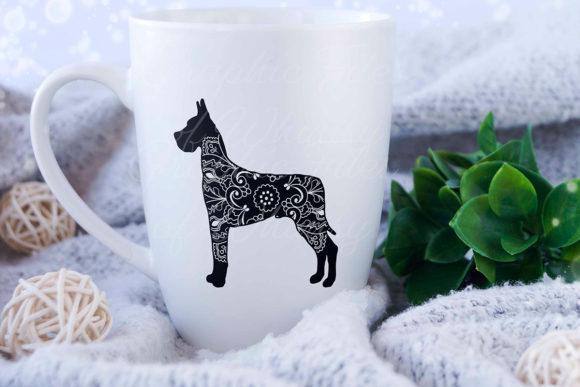
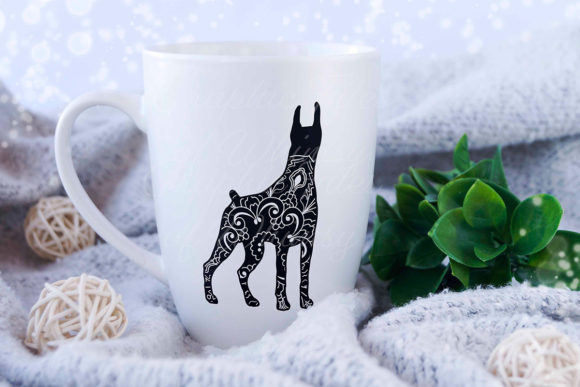
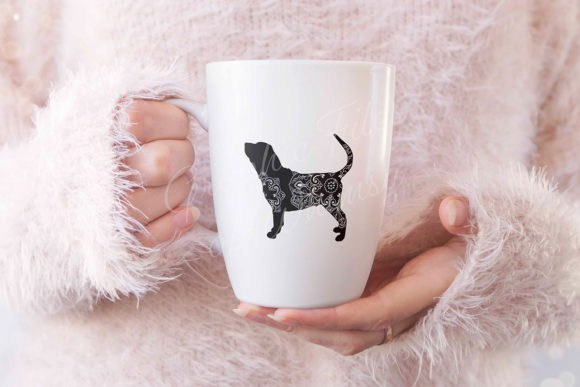
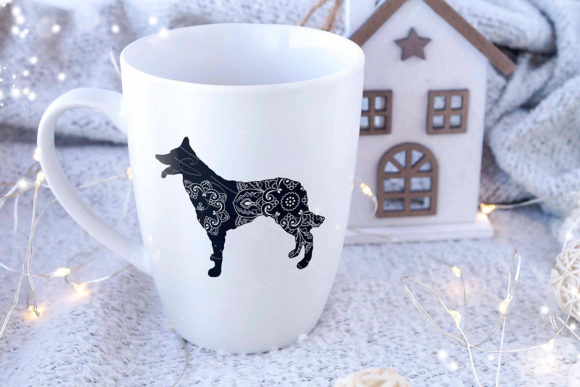
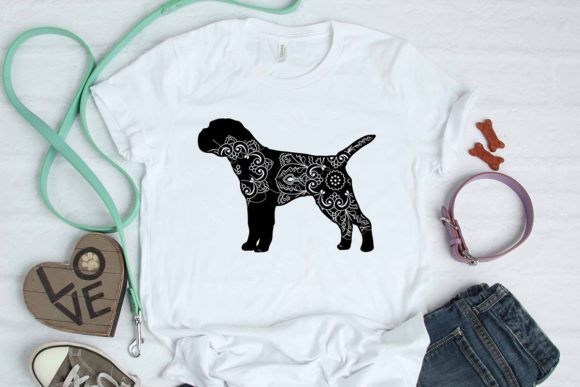
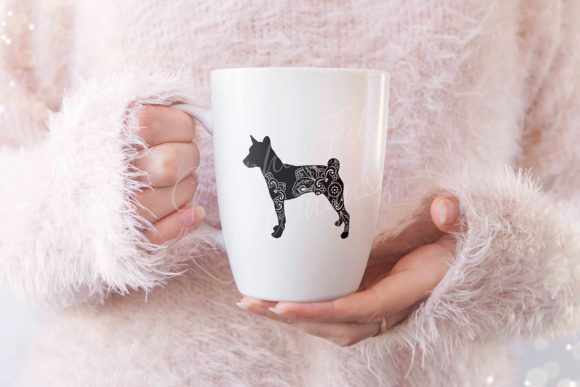
When I opened the Basenji Dog Mandala file for the first time, I didn’t just see a silhouette—I saw a quiet conversation between precision and personality. The Basenji outline is clean and confident, with that distinctive pricked ear and elegant curve of the back, while the mandala inside isn’t just “filled in”—it breathes. It’s balanced, symmetrical without feeling rigid, and detailed enough to reward close looking but not so dense it collapses under thread. This isn’t a design shouting for attention; it’s one that earns it slowly—perfect for a boutique tote bag, a nursery pillow cover, or a custom sweatshirt meant to feel personal, not promotional.
Where It Shines: Real Projects That Feel Thoughtful
I tested the Basenji Dog Mandala on a medium-weight cotton twill tote—exactly the kind small shop owners stock for craft fairs or Etsy listings. Stitched at 4.5" wide with high-quality 40-weight rayon, the mandala held its shape beautifully. The outer Basenji contour read clearly, and the inner motifs—petals, concentric circles, subtle geometry—stitched out with crisp definition. Customers responded immediately: “Is that a Basenji?” followed by, “I love how calm it feels.” That reaction tells me this design works as both a breed-specific nod and a broader aesthetic statement—ideal for dog lovers, mindful home decor, or even wedding gifts for couples who share a Basenji (yes, they do!).
It also translated well onto a baby blanket corner (using soft, low-density fill stitch) and as an embroidered patch sewn onto a linen apron. In both cases, the design retained its elegance without overwhelming the item. As a machine embroidery design, it reads cohesively across scales—neither too busy for a small hoop nor too sparse for a larger format. For custom apparel, think crewneck sweatshirts, not tees: the detail rewards heavier fabric and slower wear.
Where to Pause—and Why
The Basenji Dog Mandala is not built for speed or simplicity. Its intricacy means it’s not ideal for stretchy knits, thin voile, or tightly curved surfaces like baseball caps—unless you’re using heavy cutaway stabilizer and reducing density manually. On dark fabric, I recommend testing satin-stitched outlines in white or ecru to lift the mandala’s layers; on textured fabrics like burlap or terry cloth, some fine-line details may soften or disappear entirely. And because it’s a digital embroidery file rooted in vector clarity—not a simplified vinyl cut—the tiny intersections and delicate linework need breathing room. Don’t force it into a 3" hoop unless you’re willing to simplify by hand first.
Also worth noting: this isn’t a quick applique design. There’s no raw-edge layering or bold block shapes. It’s a fill stitch and running stitch composition, meaning stitch density matters. Too much density = stiff, bulky results on lightweight items; too little = loss of mandala rhythm. Always check your machine’s default settings against the design’s natural flow.
What It Adds—Beyond the Stitch
Using the Basenji Dog Mandala elevates perceived value. It signals intention—not just “dog lover,” but “thoughtful maker.” That nuance builds trust with customers browsing handmade product listings, especially on platforms like Etsy where buyers scan for authenticity and care. When stitched cleanly, it reads as professional, not hobbyist—critical if you’re branding a craft business or launching a small shop product line. It also supports strong visual storytelling: pair it with minimalist typography on a tea towel (“Breathe. Belong. Basenji.”), or use it solo on a holiday gift tag for a breeder’s client. Its quiet confidence makes it giftable, display-worthy, and repeat-purchase friendly.
Practical Notes from the Hoop
- Always test first: Run the Basenji Dog Mandala on scrap fabric matching your final project’s weight and weave—even if it’s the same base material.
- Check contrast early: Preview the design in black-and-white mockups. Does the mandala still read when color is removed? If not, adjust thread colors before stitching.
- Stabilizer isn’t optional: Medium tear-away works for stable wovens; switch to cutaway for knits or lightweight linens. Skip the light stuff—it won’t hold the fine interior lines.
- Hoop size matters: Measure your intended placement *before* digitizing or importing. The Basenji silhouette anchors the piece—don’t crop ears or tail to fit.
- Review licensing carefully: As a Graphics asset in the Crafts category, confirm whether commercial use (e.g., selling finished embroidered patches) is permitted—or if resale requires attribution or extended rights.
- Compare backgrounds: Test the same stitch file on both light and dark fabric swatches. Small details vanish faster on black than on oatmeal—adjust density or outline weight accordingly.
- Think beyond embroidery: Because it’s vector-based, the Basenji Dog Mandala can serve double duty—as a printable mockup element, a logo variant for your shop, or even a subtle watermark on digital design assets.
Final Thought: A Design That Earns Its Place
The Basenji Dog Mandala doesn’t try to be everything. It’s not flashy. It’s not trend-chasing. But it’s deeply considered—and that shows in every finished product. Whether you’re stitching a personalized gift for a Basenji owner, building a cohesive line of nursery decor, or sourcing standout embroidery project assets for your digital shop, this design brings quiet authority. It asks for thoughtful execution—and rewards it with clarity, charm, and unmistakable craftsmanship. Use it where attention matters, where detail is appreciated, and where “handmade” means something real.