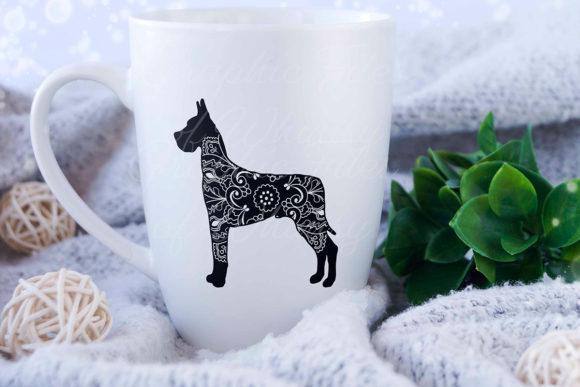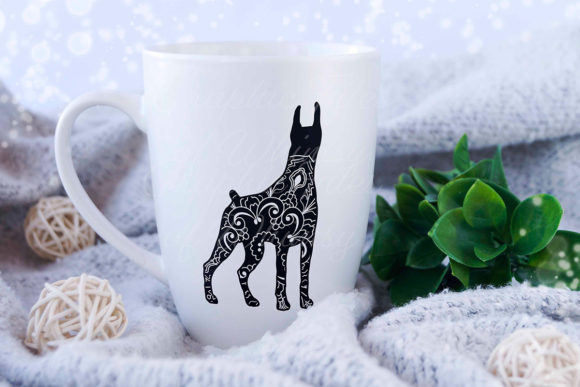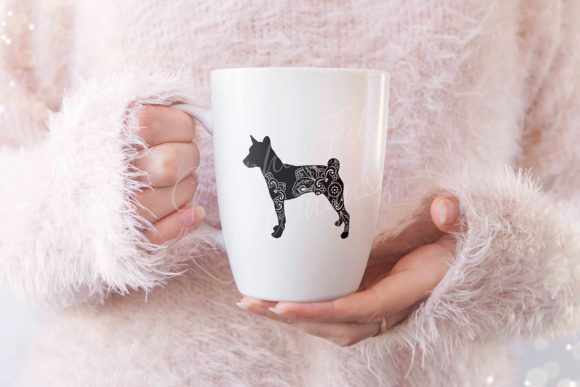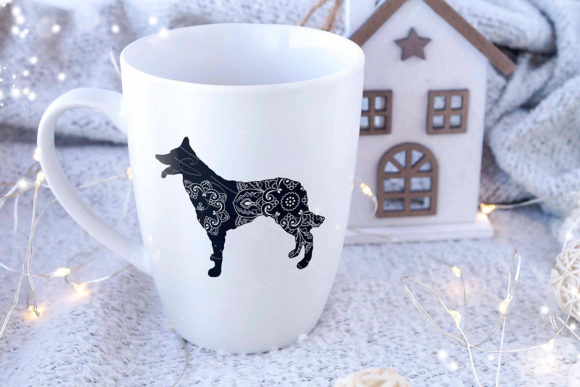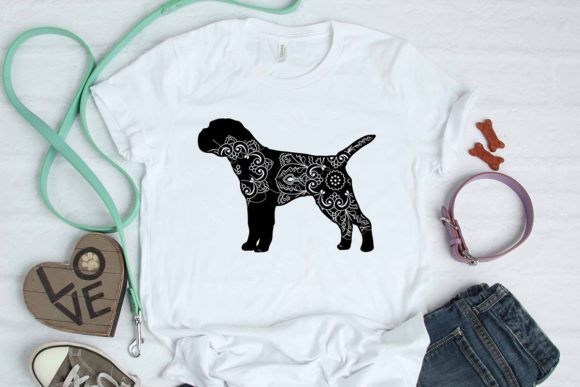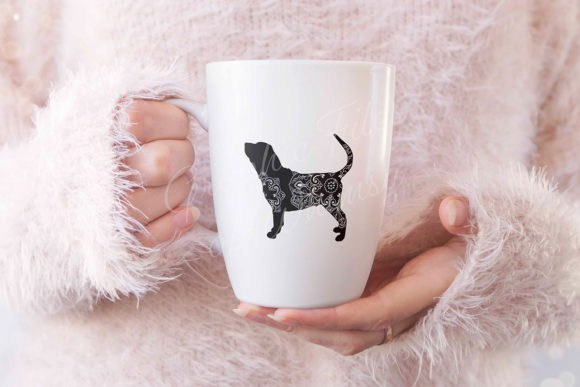
Bloodhound Dog Mandala
A Designer’s First Look: Calm, Clever, and Quietly Detailed
When I opened Bloodhound Dog Mandala, I didn’t see just another dog silhouette—I saw a quiet conversation between breed character and sacred geometry. The Bloodhound outline is soft but unmistakable: long ears, gentle jowls, that thoughtful, soulful gaze implied by negative space. Inside it, the mandala unfolds with rhythmic symmetry—not fussy, not frantic, but layered with intention. It feels grounded, not trendy. That matters. As someone who selects embroidery files for client work, small-batch merchandise, and personalized gifts, I immediately asked: *Where would this earn its keep?*
Real-World Fit: Why It Shines on Home & Heartfelt Items
Last week, I prepped a custom embroidered tote bag for a local dog rescue’s holiday fundraiser. We needed something warm, recognizable, and quietly meaningful—not cartoonish, not generic. Bloodhound Dog Mandala landed perfectly there. Stitched on medium-weight canvas with matte cotton thread, the design held clarity without stiffness. The mandala’s repetition gave visual weight; the silhouette kept it legible at 5 inches tall. It read as handmade, not mass-produced—exactly what boutique buyers and gift-givers respond to.
I’ve also tested it on pillow covers (linen-cotton blend) and tea towels (flour-sack cotton). On both, the balance of open space and detail allowed the fabric texture to breathe while still delivering impact. For nursery decor or baby onesies, it reads gently—no sharp angles, no aggressive contrast. It’s a design that invites touch and attention, not just recognition.
Where to Use It With Care
That same intricacy is why Bloodhound Dog Mandala isn’t a one-size-fits-all embroidery file. Its strength lies in deliberate placement—not speed or scalability.
- Small hoop sizes: Below 4 inches, fine mandala lines start to blur. Test stitch density before committing to a 3-inch cap front.
- Stretchy or thin fabrics: Think t-shirts or baby bodysuits. Without proper cutaway stabilizer and careful hooping, those inner loops can pucker or distort. This isn’t a running-stitch logo—it’s a fill-stitch + satin-stitch composition that needs support.
- Dark or textured backgrounds: On charcoal fleece or bouclé knit, some delicate mandala elements may recede. Always test thread colors against your final fabric—not just on screen.
- Curved surfaces: Caps and beanies demand simplification. The Bloodhound silhouette adapts well, but the densest mandala zones near the center may require manual editing or slight scaling down.
What It Adds—Beyond Just Looks
This isn’t just about prettiness. Bloodhound Dog Mandala elevates perceived value because it signals care: in concept, execution, and context. Customers notice when a design feels considered—not dropped in, but placed. A sweatshirt with this embroidered on the left chest reads like a curated piece, not a quick add-on. For Etsy sellers, it helps listings stand out in “dog lover gifts” or “mindful home decor” searches—not because it’s keyword-optimized, but because it answers an unspoken need: beauty with meaning.
It also builds trust. When a buyer sees this level of intentional detail on a handmade product, they assume higher craftsmanship across the board—stitch quality, fabric choice, finishing. That goodwill carries into reviews, repeat orders, and word-of-mouth. And for craft business owners building a brand voice? This design fits a calm, earthy, thoughtful aesthetic—no shouting, no clutter.
Practical Notes Every Embroidery Designer Should Check
Before stitching Bloodhound Dog Mandala into a finished product—or listing it as part of your digital embroidery file shop—run through these:
- Test on scrap fabric first, using your exact thread, stabilizer, and machine settings.
- Review stitch density. Dense fill areas need breathable stabilizer; high-density zones near the mandala’s center may benefit from reduced underlay.
- Confirm hoop size compatibility. Does your standard hoop comfortably frame the full silhouette without trimming corners?
- Inspect small details at actual stitch-out size—especially where mandala lines meet the Bloodhound’s ear curve or muzzle.
- Mock it up in black and white to assess contrast and legibility before choosing thread colors.
- Compare light vs. dark fabric backgrounds—some inner motifs gain or lose definition depending on base tone.
- Verify licensing terms. Since it’s listed as a Graphics asset for Crafts, confirm whether commercial use (e.g., selling embroidered patches or digital previews) is permitted.
Final Thought: A Design That Earns Its Place
Bloodhound Dog Mandala won’t dominate a busy market stall—but it will hold attention in the right setting. It’s not built for viral reels or bulk apparel runs. It’s built for the person who chooses linen over polyester, who names their dog after constellations, who gives a handmade tea towel as a wedding gift because it feels like a promise.
If you’re an embroidery designer selecting assets for real projects—or a small shop owner curating designs that reflect your values—this one earns its spot in your library. Not because it’s easy, but because it’s honest: a fusion of canine character and contemplative pattern, made to be stitched, seen, and kept.