Dog Daddy
First Impressions: A Friendly, Furry Presence
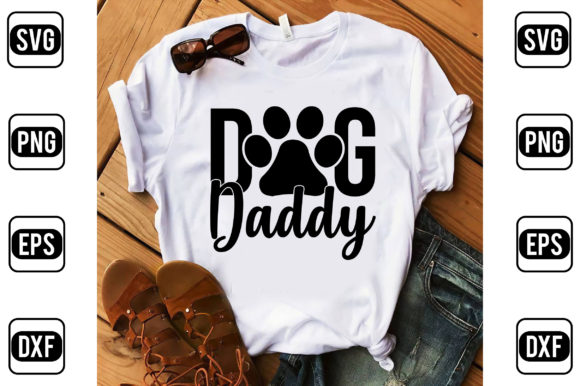
The moment I opened the Dog Daddy design, I was struck by its warm and approachable vibe. It’s a classic dog silhouette with a playful twist—ear flaps that suggest a wagging tail, a subtle smile, and an overall sense of charm that feels inviting. The layout is clean, with a focus on the main subject without overwhelming details. This makes it a great candidate for a wide range of projects, from personalized gifts to commercial embroidery.
Design Layout and Detail Level
The Dog Daddy design maintains a balanced level of detail that works well for both small and large hoop sizes. The facial features are soft and not overly intricate, which means it won’t strain your machine or require excessive time to stitch. The ears and body are outlined with a mix of satin and running stitches, giving it a textured yet smooth appearance. This balance ensures the design remains recognizable even when scaled down or viewed from a distance.
One thing to note is that the Dog Daddy doesn’t include any tiny lettering or decorative accents that might be hard to see after stitching. This is a plus for those who want the design to stand out without being cluttered. However, if you plan to use it as part of a larger composition, such as a patch or a tote bag design, you may want to pair it with complementary elements to add visual interest.
Real-Life Use Cases: From Tote Bags to Baby Clothes
When considering how Dog Daddy would perform in real-life scenarios, I thought about a few common embroidery projects. For instance, using it on a custom tote bag design could create a friendly, personalized touch. The design fits well on a medium-sized hoop, and the simple shape allows for easy placement on the front or side panel.
For baby clothes, the Dog Daddy could be a charming addition to a onesie or a blanket. The soft, rounded edges and lack of sharp corners make it ideal for delicate fabrics. However, I would recommend testing it on scrap fabric first to ensure the stitch density and thread color contrast work well with the intended fabric type.
If you're planning to use Dog Daddy on a sweatshirt or t-shirt, the design’s simplicity ensures it won’t overpower the garment. It’s also a great fit for embroidered patches, where the design can be scaled down and placed on a small hoop without losing clarity.
Considerations for Specific Fabric Types and Projects
While Dog Daddy is versatile, there are a few situations where it might need extra attention. On dark fabrics, the contrast between the thread colors and the background could be less pronounced. To avoid this, consider using a lighter thread color or testing the design in black and white mockups before committing to a final product.
On stretchy or thin fabrics, the design might require additional stabilizer to maintain its shape and prevent distortion. Similarly, when working with curved surfaces like caps or hats, the design should be tested for how it flows around the curve without stretching or puckering.
For products that will undergo frequent washing, such as tea towels or kitchen linens, the durability of the stitched design becomes important. While Dog Daddy is designed to be resilient, it's always wise to review the stitch density and ensure that the design isn’t too dense for the fabric type you’re using.
Visual Appeal and Customer Trust
The Dog Daddy design has a strong visual appeal that translates well into finished products. Its friendly look makes it suitable for a variety of audiences, from pet lovers to craft enthusiasts. When used in handmade products or personalized gifts, it adds a personal touch that customers will appreciate.
From a brand consistency standpoint, Dog Daddy is a great asset for Etsy sellers, small shop owners, and craft businesses. It can be used across multiple product lines, from holiday gifts to boutique branding, helping to build a cohesive and recognizable brand identity.
Practical Designer Notes
Before using Dog Daddy in a real project, I recommend a few practical steps:
- Test on scrap fabric: Always test the design on a piece of scrap fabric to check stitch density, thread color contrast, and overall appearance.
- Review hoop size: Ensure the design fits comfortably within your hoop without stretching or distorting.
- Use proper stabilizer: Especially on delicate or stretchy fabrics, a good stabilizer will help maintain the design’s integrity.
- Check thread colors: Choose thread colors that complement the fabric and enhance the design’s visibility.
- Confirm licensing: If you plan to sell finished products or digital files, make sure you have the appropriate licensing rights.
By following these steps, you’ll ensure that Dog Daddy performs well in both personal and commercial projects, delivering a professional and appealing result.