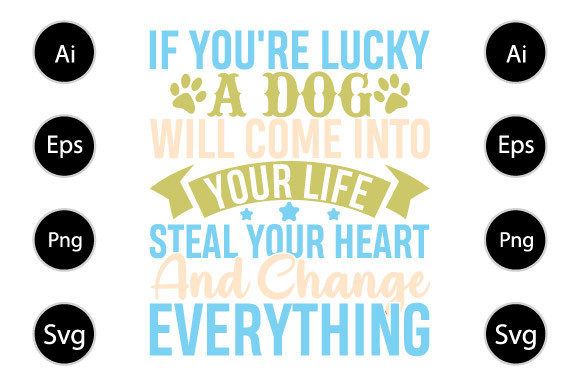
If You’re Lucky a Dog Design
A Heartwarming Embroidery File for Real Projects
As a designer who has worked with countless embroidery files, I’ve learned that the best machine embroidery designs are those that not only look great on screen but also translate well into real-world applications. If You’re Lucky a Dog Design is one such file that carries a warm, inviting energy and seems ready to be used in a variety of creative projects.
The First Impression: A Warm and Sentimental Theme
At first glance, If You’re Lucky a Dog Design feels like a gentle reminder of the joy and companionship that dogs bring into our lives. The design features a stylized dog with expressive eyes and a soft, almost cartoonish appearance that makes it approachable and emotionally resonant. The layout is clean and uncluttered, which is a big plus for someone looking to use it in a commercial or personal project without worrying about visual overload.
The color palette is muted and earthy, with a focus on soft tones that work well with both light and dark fabrics. This versatility is a key strength, as it allows the design to adapt to different settings—from a baby’s clothing to a holiday gift.
Real-World Use Cases: From Tote Bags to Custom Apparel
If You’re Lucky a Dog Design is ideal for a range of projects that require a touch of sentimentality and charm. It would look particularly nice on a custom embroidered tote bag, where its soft lines and friendly vibe can shine through. Similarly, it could be used on a sweatshirt or t-shirt, adding a personal touch to everyday wear.
For smaller items like patches or aprons, the design’s simplicity ensures it doesn’t overwhelm the product. It also works well on baby clothes, where a gentle, reassuring image is often preferred. If you're an Etsy seller or running a small shop, this design could easily become a staple in your product lineup, especially for holiday or personalized gifts.
Considerations for Embroidery Success
While If You’re Lucky a Dog Design is visually appealing, there are a few practical considerations to keep in mind before using it in real projects. For instance, the design may not perform well on very small hoop sizes due to its detail level. It also requires careful attention to stitch density and thread color contrast to ensure clarity and vibrancy in the final product.
Testing the design on scrap fabric is always a good idea, especially if you're working with textured or stretchy fabrics. Additionally, using the right stabilizer can make a significant difference in how the design looks and feels after stitching. Don’t forget to check the file format details—like SVG or EPS—before proceeding, as they can affect compatibility with your embroidery machine.
Design Quality and Practicality
If You’re Lucky a Dog Design is well-suited for both handmade products and commercial embroidery projects. Its clean lines and balanced composition make it a strong candidate for use in printable mockups, digital product previews, and even branding materials for craft businesses. However, it's important to consider the context in which it will be used.
For example, while the design might look great on a flat surface like a tote bag or pillow cover, it may not translate well to curved surfaces like caps or hats. Similarly, dense stitch areas or intricate details could cause issues on thin or delicate fabrics. Always take the time to inspect these elements before committing to a large-scale project.
Enhancing Visual Appeal and Customer Trust
The visual appeal of If You’re Lucky a Dog Design is undeniable, but its true value lies in how it enhances the overall presentation of the finished product. Whether it's a personalized gift or a boutique item, the design adds a layer of emotional connection that can increase customer trust and satisfaction.
When used in a handmade product, the design helps convey authenticity and care, which are essential for building brand consistency and recognition. It also plays a role in buyer engagement, as customers are more likely to purchase items that resonate with their values or emotions.
Practical Designer Notes for Success
Before using If You’re Lucky a Dog Design, I recommend following a few key steps to ensure the best results:
- Test on scrap fabric to assess stitch clarity and fabric interaction.
- Check thread color contrast against the background fabric to ensure visibility.
- Review stitch density to avoid over-stitching or under-stitching.
- Confirm hoop size to ensure the design fits properly without distortion.
- Inspect small details like lettering and corners for quality and accuracy.
- Test in black and white mockups to evaluate design structure and balance.
- Compare light and dark backgrounds to see how the design holds up in different settings.
- Use proper stabilizer to prevent puckering or shifting during stitching.
- Check licensing terms if you plan to sell the finished product or digital assets.
By taking these steps, you can maximize the potential of If You’re Lucky a Dog Design and ensure it performs well in both personal and commercial contexts.