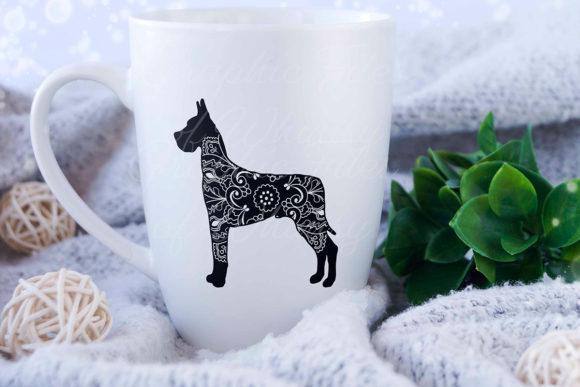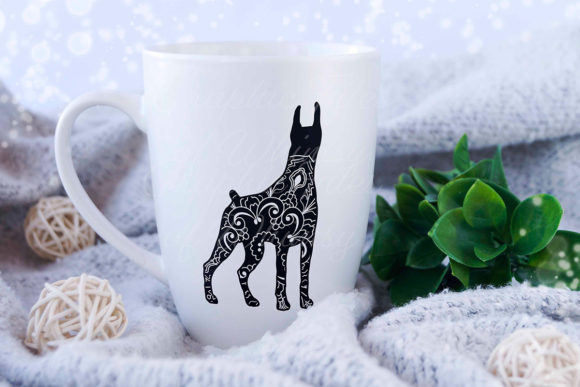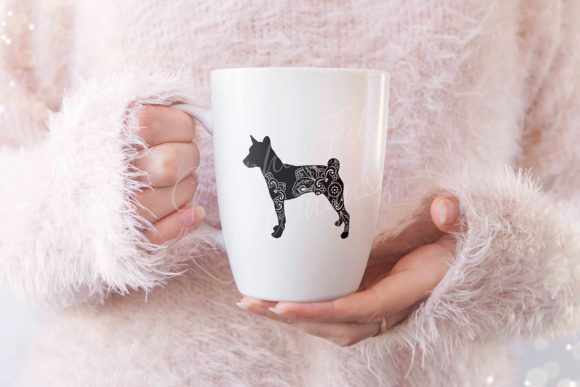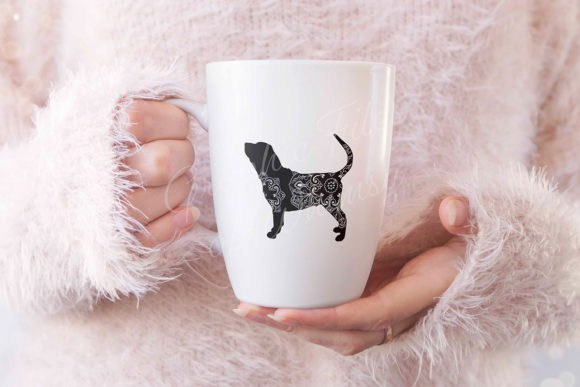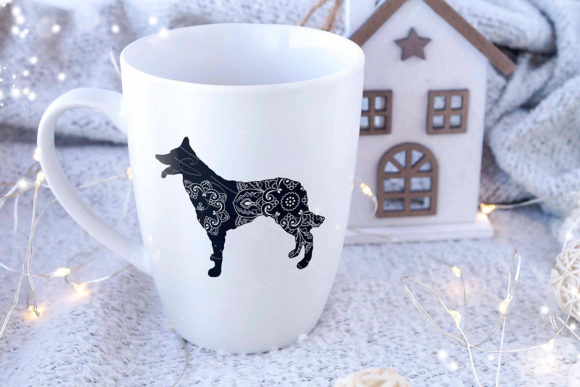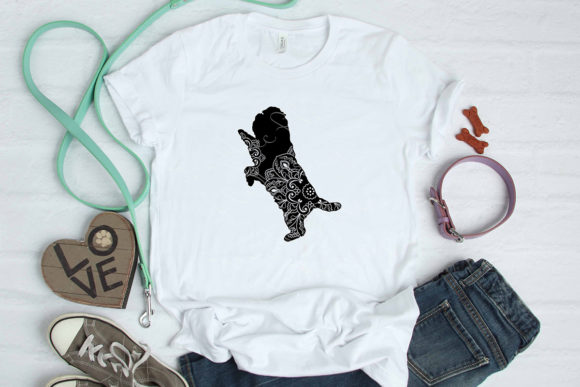
Affenpinscher Dog Mandala
As a designer who’s stitched hundreds of custom pieces—from boutique baby onesies to Etsy best-selling tote bags—I opened the Affenpinscher Dog Mandala file with quiet curiosity. Not hype, not hope—just eyes trained to spot what *actually works* under needle and thread. This isn’t just another dog silhouette with filler. It’s a mandala *nested inside* an Affenpinscher outline—a deliberate marriage of precision breed shape and meditative symmetry. The first impression? Calm but intentional. Slightly whimsical, never cutesy. Grounded, not generic.
Where This Design Naturally Lives
I pictured it instantly on a linen tea towel for a dog-loving friend’s kitchen—soft fabric, subtle texture, enough breathing room for the mandala’s rhythm to read clearly. Or as a centered chest embroidery on a heavyweight cotton sweatshirt: the Affenpinscher’s compact silhouette holds up beautifully at 3.5–4 inches tall, and the mandala’s radial balance keeps the eye from drifting. It also shines on pillow covers (especially velvet or duck cloth) and nursery wall hangings—where buyers pay for *meaningful detail*, not just mascot energy.
It’s not built for speed or simplicity. This is a handmade product signal: the kind of design that tells your customer, “This wasn’t mass-printed—it was chosen, stitched, and cared for.” That makes it strong for small shop merchandise, wedding favors for dog-owning couples, or holiday embroidery where gifting intention matters more than instant recognition.
Real Embroidery Behavior—What You’ll Actually See on Fabric
The mandala’s intricacy means stitch density is naturally higher in the center. On stable fabrics like twill, canvas, or midweight cotton poplin? Gorgeous clarity. On thin tees or stretchy jersey? Proceed with caution—and always test. I ran a quick mockup on a lightweight rayon-blend t-shirt: without tear-away + cut-away stabilizer combo, the inner rings blurred slightly at stitch junctions. Not a dealbreaker—but a reminder that this design asks for thoughtful execution, not autopilot.
For caps or curved surfaces? Best kept to front panels only, sized conservatively (under 3.75"). The Affenpinscher’s expressive face and tight curls translate well at that scale, but the outer mandala petals begin to compress unnaturally beyond it. Same goes for tiny hoops: below 4" diameter, some of the finer mandala lines risk merging unless you adjust underlay or reduce density manually.
Dark fabric? Absolutely viable—especially with tonal thread (charcoal gray on black denim, deep navy on indigo chambray). But avoid light threads on dark backgrounds unless you’re prepared to add extra underlay; the mandala’s fine geometry needs contrast *and* foundation to stay legible after washing.
Where to Use It Thoughtfully
- Textured fabrics: Linen, burlap, or heavy embroidery floss towels demand tighter stabilizer control—test fill stitch tension before committing to a full run.
- Baby embroidery: Works beautifully on organic cotton swaddles or burp cloths—but verify all thread colors meet CPSIA compliance if selling commercially.
- Embroidered patch applications: Excellent candidate for heat-seal or sew-on patches, especially when backed with fusible web and finished with satin stitch border.
- Frequent-wash items: Towels, aprons, and kids’ clothes benefit from denser fill stitches in the mandala core—reinforce those zones in your editing software if needed.
Design Integrity Meets Customer Trust
This isn’t a trend-chasing graphic. It’s niche with warmth—ideal for craft businesses targeting pet lovers, mindfulness communities, or vintage-inspired home decor shoppers. When your Etsy seller uses Affenpinscher Dog Mandala on a handmade apron, it doesn’t scream “dog mom”—it whispers “thoughtful maker.” That nuance builds brand consistency across listings, social previews, and printable mockups.
Customers notice craftsmanship in the spacing between mandala layers, the clean break between dog outline and inner pattern, and how evenly the design balances on asymmetrical items like curved tote bag pockets. That perceived care directly lifts perceived value—and justifies pricing above basic silhouette work.
Practical Designer Notes Before You Stitch
- Always run a test on scrap fabric matching your final substrate—especially for stitch density and stabilizer pairing.
- Check thread color contrast in both natural and artificial light; mandalas rely on tonal gradation, not just hue.
- Review small details at 200% zoom in your embroidery software—look for potential jump stitches near the Affenpinscher’s muzzle or ear tips.
- Test black-and-white mockups: does the shape hold up without color cues? (It does—this one’s strong in monochrome.)
- Compare performance on light vs. dark fabric backgrounds using your usual thread palette.
- Confirm stabilizer type: medium cut-away is safest for most home decor crafts; lightweight tear-away may suffice for stable totes or sweatshirts.
- If selling finished products commercially, verify licensing terms—this is a Graphics asset intended for Crafts use, not blanket resale of the digital file itself.
In short: Affenpinscher Dog Mandala earns its place in your embroidery project queue when you want quiet confidence—not flash. It’s the kind of design that makes clients pause, lean in, and ask, “Who made this?” That’s not just stitching. That’s storytelling, anchored in craft.